
Get Plant Replacement in Bellingham, WA
Plant replacement services help Bellingham property owners solve problems with dead or overgrown plants by connecting them with local contractors for pruning, removal, or new planting projects.
Property owners in Bellingham, WA, who are considering replacing existing plants or trees often seek practical solutions to enhance their outdoor spaces. Whether planning a landscape update, addressing aging greenery, or preparing for seasonal changes, exploring local contractor options can help ensure the work is handled efficiently and with attention to local conditions. Comparing services from nearby specialists allows property owners to find experienced providers who understand the specific needs of Bellingham’s climate and terrain.
Continuing to explore available plant replacement services can provide valuable insights into the variety of options and expertise available in the area. Connecting with local contractors enables property owners to gather information on different approaches, helping them make informed decisions about their landscape projects. This process supports planning efforts and ensures the right professionals are engaged to achieve desired results.
- Plant Replacement - needed when older plants have become unhealthy or overgrown in residential gardens.
- Plant Replacement - required when landscaping projects involve removing and replacing existing plants in neighborhoods like Fairhaven or Sunnyland.
- Plant Replacement - suitable for replacing dead or damaged plants in commercial or public landscaping across Bellingham.
- Plant Replacement - necessary after storm damage or harsh weather impacts plants in local yards or community spaces.
- Plant Replacement - ideal for updating outdated or unappealing plantings to refresh landscape aesthetics.
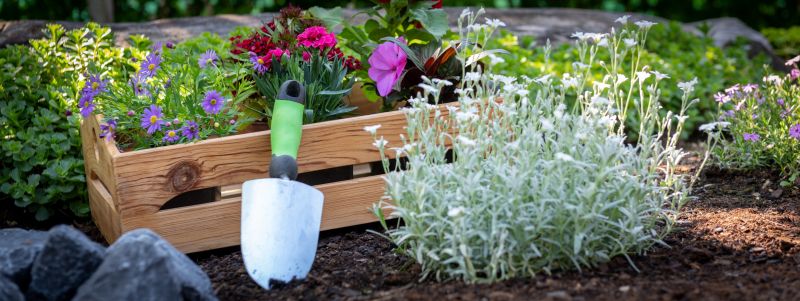
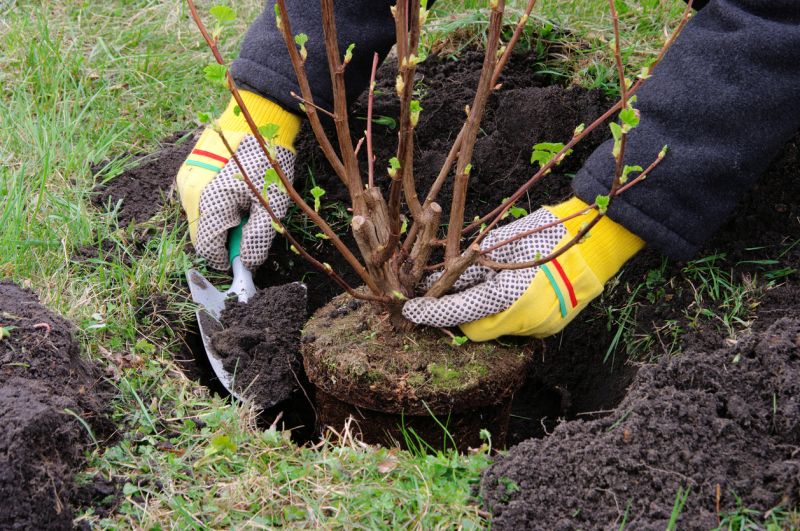
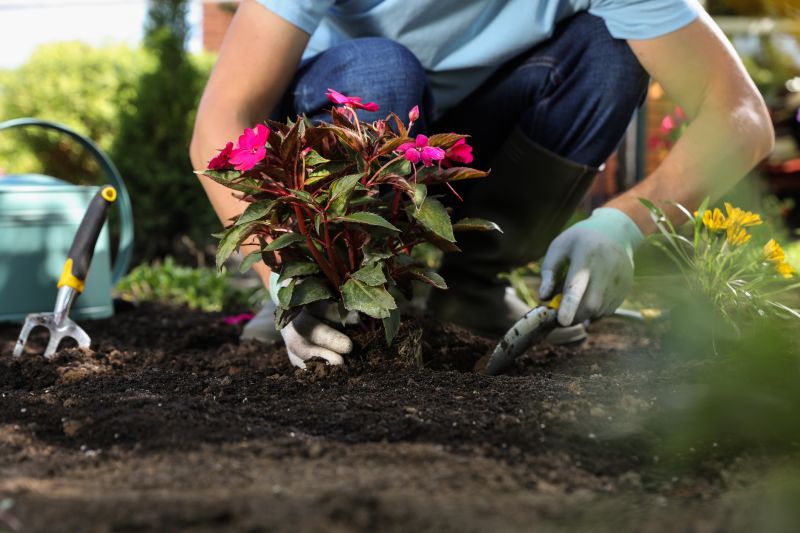
Plant replacement services involve removing old, damaged, or unhealthy trees and shrubs and installing new ones to enhance the beauty and value of a property. This process typically includes assessing the health of existing plants, carefully removing those that are no longer viable, and selecting appropriate new varieties suited to the local climate and soil conditions. Experienced service providers handle all aspects of the replacement, ensuring the new plants are properly planted, stabilized, and prepared to thrive in their new environment. This service is an effective way to refresh a landscape and maintain its visual appeal over time.
Many property owners turn to plant replacement services to address specific problems such as diseased or dying trees, overgrown or poorly placed shrubs, or plants that have outgrown their space. Over time, some plants may become a safety concern if they become unstable or pose a risk of falling. Others may simply no longer fit the desired aesthetic or landscape design. Replacing these plants can help improve safety, restore visual harmony, and support the overall health of the landscape. Service providers can also recommend suitable replacements that will flourish and require less maintenance.
Property types that typically benefit from plant replacement services include residential homes, commercial buildings, and community spaces. Homeowners may seek replacements to improve curb appeal or replace trees that have become hazardous. Commercial property managers often use this service to maintain a professional and welcoming appearance. Community parks and shared outdoor spaces might also require plant upgrades to promote safety and visual consistency. Whether the property is a single-family yard or a multi-unit complex, local contractors can tailor plant replacement solutions to meet specific landscape goals and conditions.
Knowing when to consider plant replacement can make a significant difference in maintaining a healthy and attractive landscape. Signs such as persistent disease, extensive damage from storms, or plants that no longer match the surrounding environment are clear indicators that replacement may be needed. Additionally, if plants are not growing as expected or are causing safety concerns due to instability, consulting with experienced service providers can help determine the best course of action. Contacting local contractors for assessments and recommendations can ensure the right plants are selected and installed properly, helping properties look their best and stay safe.
The overview below groups typical Plant Replacement projects into broad ranges so you can see how smaller, mid-sized, and larger jobs often compare in Bellingham, WA.
In many markets, a large share of routine jobs stays in the lower and middle ranges, while only a smaller percentage of projects moves into the highest bands when the work is more complex or site conditions are harder than average.
Smaller Repairs - Typical costs for minor plant replacement projects in Bellingham range from $250 to $600. Many routine repairs and part replacements fall within this band, depending on the plant type and scope of work.
Standard Replacement - Replacing an entire plant or performing moderate upgrades usually costs between $1,000 and $3,000. Most projects in this range are common for residential properties and involve standard-sized plants.
Larger, Complex Projects - Larger plant replacements or projects involving multiple plants can range from $3,500 to $7,500. These jobs are less frequent but typically involve more extensive work or specialty plants.
Full Landscape Overhaul - Complete landscape or large-scale plant replacement projects often exceed $10,000, with some reaching $20,000+ depending on design complexity and plant selection. Such projects are less common but represent the upper end of typical costs handled by local contractors.
Actual totals will depend on details like access to the work area, the scope of the project, and the materials selected, so use these as general starting points rather than exact figures.
Tree and Shrub Removal - Professionals who handle tree and shrub removal use similar planning and equipment skills as those needed for plant replacement projects, ensuring proper site preparation.
Landscape Design and Installation - Landscape contractors often coordinate plant selection and placement, requiring expertise in soil, spacing, and aesthetic planning comparable to plant replacement services.
Soil Preparation and Grading - Proper soil prep is essential for healthy plant growth and is a common step in both plant replacement and other landscaping projects.
Irrigation System Installation - Installing or upgrading irrigation systems involves understanding plant watering needs, aligning with the planning involved in plant replacement work.
Garden Bed Construction - Building new garden beds requires site assessment, soil work, and planting techniques similar to those used in replacing and installing new plants.
Ground Cover and Mulching - Applying ground cover or mulch involves site preparation and material handling skills that are useful across various landscaping and plant care projects.
When evaluating potential contractors for plant replacement services, it's important to consider their experience with similar projects in the Bellingham area. Homeowners should inquire about how long a service provider has been working on plant replacements and whether they have handled projects comparable in size and scope. A contractor with a solid track record in the local community is more likely to understand the specific conditions and challenges of the region, which can lead to more reliable results.
Clear, written expectations are essential for ensuring that both the homeowner and the service provider are aligned on the project's details. When comparing options, it's helpful to ask for a detailed scope of work, including the types of plants to be replaced, the methods to be used, and any specific considerations relevant to the property. Having this information in writing helps prevent misunderstandings and provides a reference point throughout the project, fostering a smoother process from start to finish.
Reputable references and strong communication skills are also key factors to consider. Homeowners should seek out local contractors who can provide references from past clients with similar projects, giving insight into their reliability and quality of work. Additionally, good communication-such as prompt responses to questions and transparent updates-can make the experience more straightforward and less stressful. While the site introduces homeowners to local service providers, it’s important to remember that it does not perform the work itself; selecting the right professional involves careful comparison based on experience, clarity, and reputation.
Property owners in Bellingham, WA use Plant Replacement services for practical projects around their homes and businesses. This guide focuses on everyday jobs and straightforward project options.
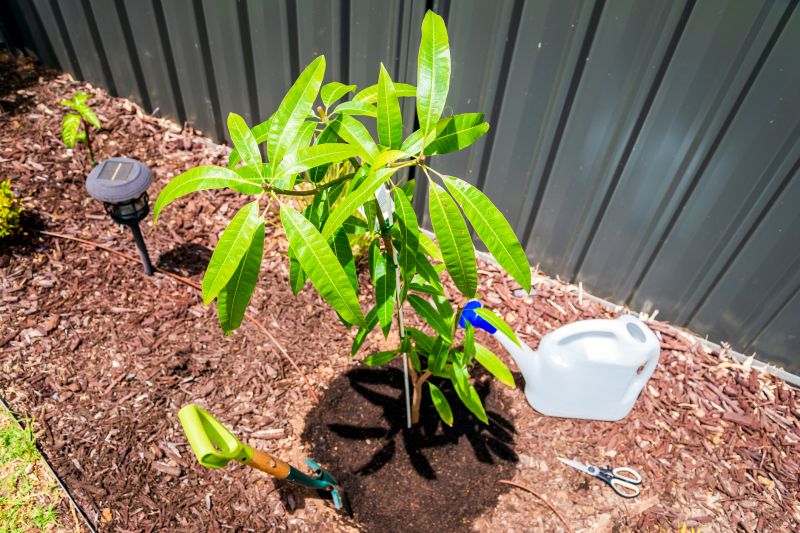
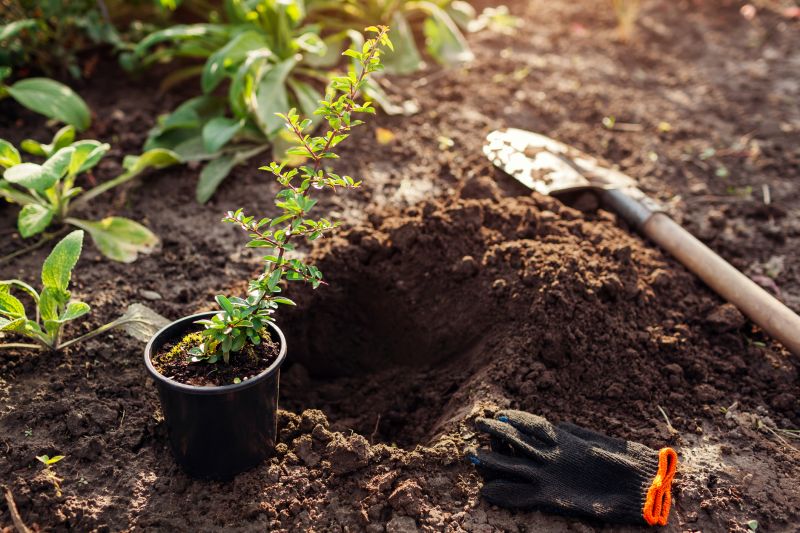
Property owners in Bellingham, WA often seek plant replacement services when existing landscaping plants become overgrown, damaged, or unhealthy. Whether a mature shrub has outgrown its space or a tree has suffered storm damage, local contractors can help rejuvenate outdoor spaces by removing and replacing plants to improve appearance and safety. Additionally, homeowners may want to update their landscape with new plants that better suit their current preferences or the changing seasons, creating a fresh look for their property.
In other cases, property owners might need plant replacement services after construction projects, or to address issues like pests or disease that have affected existing greenery. Local service providers can assist with selecting suitable new plants and ensuring proper installation, helping to maintain a vibrant, attractive landscape. These services are often sought to enhance curb appeal or to prepare a property for sale, making it easier to achieve desired aesthetic or functional goals.
What types of plants can be replaced by local contractors? Many local service providers can handle the replacement of a variety of plants, including trees, shrubs, and perennials, to suit different landscape needs.
How do I know if my existing plants need to be replaced? Service providers can assess the health and vitality of existing plants and recommend replacements if they are diseased, damaged, or no longer thrive in the landscape.
Can local contractors help with selecting new plants for replacement? Yes, many providers offer guidance on choosing suitable plants that match the local climate and landscape preferences.
What should I consider when replacing a plant in my yard? Factors such as plant size, growth habits, soil conditions, and compatibility with surrounding plants are typically evaluated by local pros during the replacement process.
Are there specific seasons when plant replacement is more common? While replacements can often be done year-round, many local contractors recommend planting during specific seasons for optimal growth, depending on the plant type.
Spring Plant Replacement - Prepare for the growing season by replacing old or damaged plants to ensure a healthy landscape.
Landscape Refresh - Update a garden by swapping out worn-out or overgrown plants with new options to enhance curb appeal.
Storm Damage Recovery - Restore a yard after a storm by replacing plants that were uprooted or damaged.
Seasonal Plant Changes - Transition between seasons by replacing seasonal plants to maintain a vibrant outdoor space.
If you are thinking about Plant Replacement for a property in Bellingham, WA, this guide is meant to help you understand the work, the typical project types, and how different options might fit your plans.
When you are ready, you can use the quote form on this page to share a few details about your project. From there, local pros can review the basics and respond with options that match what you have in mind.